Advanced Abdominoplasty Treatment in Idukki
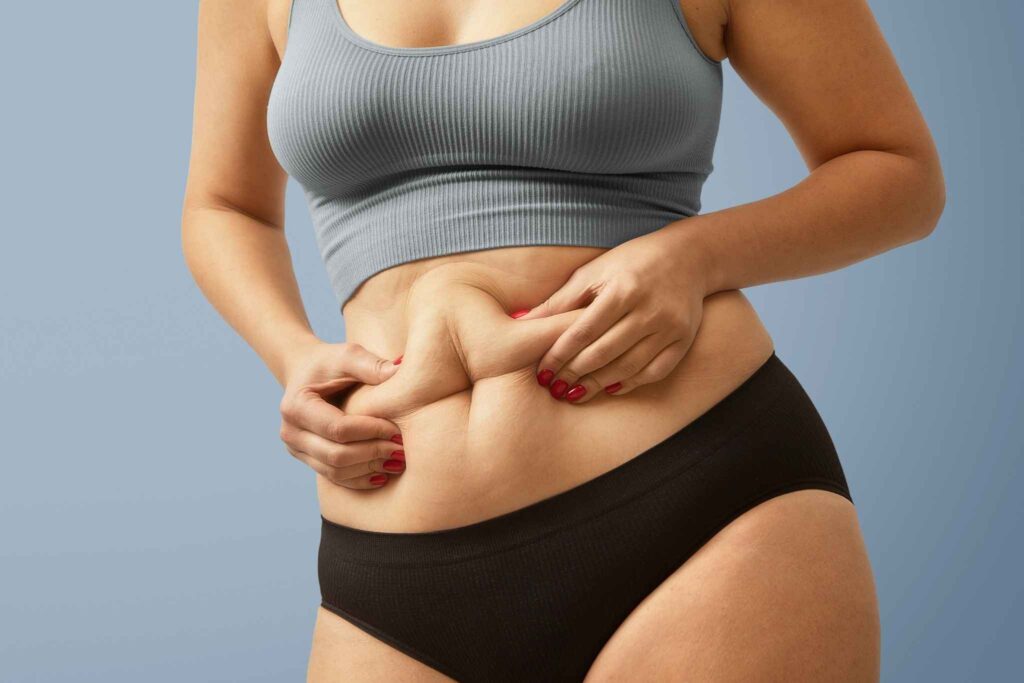
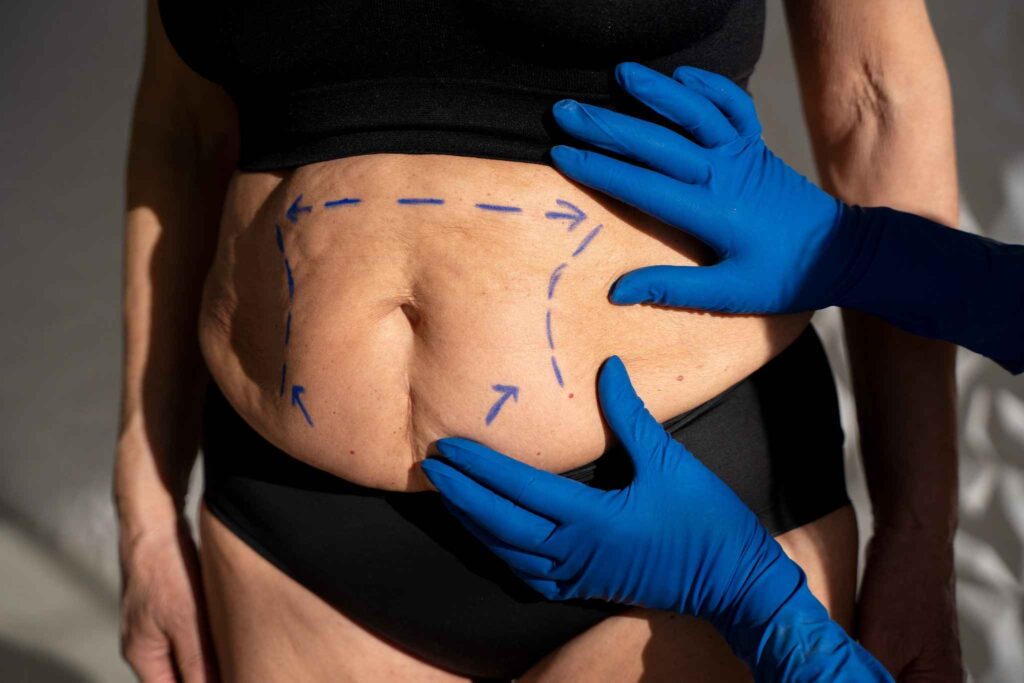
Abdominoplasty treatment in Idukki is a surgical procedure designed to improve the appearance and contour of the abdomen by removing excess skin and fat while tightening weakened abdominal muscles. This treatment is commonly chosen by individuals who experience loose or sagging abdominal skin due to significant weight loss, pregnancy, or natural aging. When diet and exercise fail to restore a firm abdominal profile, abdominoplasty offers a long-term and visible solution.
Abdominoplasty, often referred to as a tummy tuck, focuses purely on reshaping the abdominal area. It is not a weight-loss method but a body-contouring procedure that enhances abdominal firmness, improves posture, and restores confidence in one’s body appearance.
What Is Abdominoplasty?
Abdominoplasty is a cosmetic surgical procedure that targets excess abdominal skin, stubborn fat deposits, and separated or weakened abdominal muscles. During the procedure, surplus skin and fat are removed, and the underlying muscles are tightened to create a smoother, flatter abdominal contour.
This treatment is particularly effective for individuals who:
Have loose abdominal skin after pregnancy
Experience sagging skin after major weight loss
Struggle with abdominal muscle separation
Feel discomfort or hygiene issues due to skin folds
Abdominoplasty treatment aims to restore a natural and balanced abdominal shape while maintaining harmony with the rest of the body.
Types of Abdominoplasty Treatment
Abdominoplasty treatment is not a one-size-fits-all procedure. The approach depends on the individual’s anatomy, skin laxity, and aesthetic goals.
Full Abdominoplasty
This is the most comprehensive form of treatment. It involves removal of excess skin and fat from the upper and lower abdomen, along with tightening of abdominal muscles. The navel is repositioned to maintain a natural look.
Mini Abdominoplasty
A mini abdominoplasty focuses on the lower abdomen, below the navel. It is suitable for individuals with mild skin laxity and limited fat accumulation in the lower belly.
Extended Abdominoplasty
This approach addresses not only the abdomen but also the flanks or waist area. It is often chosen by individuals after massive weight loss who have excess skin extending to the sides.
Abdominoplasty with Liposuction
In some cases, liposuction is combined with abdominoplasty to remove localized fat deposits and enhance overall body contouring results.
Who Is a Suitable Candidate for Abdominoplasty?
Abdominoplasty treatment is suitable for individuals who are in good general health and have realistic expectations about the results. Ideal candidates include:
Individuals with stable body weight
People with excess abdominal skin and fat
Those with abdominal muscle weakness or separation
Non-smokers or individuals willing to stop smoking before and after surgery
Individuals who have completed family planning, as future pregnancies may affect results
A thorough consultation is essential to determine whether abdominoplasty is the right option based on individual needs and goals.
Benefits of Abdominoplasty Treatment
Abdominoplasty offers both physical and emotional benefits when performed for the right reasons.
Flatter and firmer abdominal appearance
Removal of excess, sagging skin
Tightening of abdominal muscles
Improved posture and core strength
Better clothing fit and body proportions
Enhanced self-confidence and body image
Many individuals also report improved comfort during daily activities after excess skin removal.
The Abdominoplasty Procedure Explained
Abdominoplasty treatment is typically performed under general anesthesia. The procedure involves several carefully planned steps to ensure safe and natural-looking results.
First, an incision is made in the lower abdomen, usually positioned so it can be concealed under clothing. Excess skin and fat are removed, and the abdominal muscles are tightened using internal sutures. The remaining skin is then repositioned smoothly over the abdomen, and the incision is closed with sutures.
The duration of the procedure varies depending on the type of abdominoplasty performed and the individual’s anatomy.
Recovery After Abdominoplasty Treatment
Recovery is a gradual process and plays a vital role in achieving optimal results from abdominoplasty treatment.
Initial Recovery Phase
During the first few days, swelling, bruising, and mild discomfort are common. Pain is usually manageable with prescribed medications. Patients are advised to rest and avoid strenuous activities.
Short-Term Recovery
Most individuals can resume light daily activities within one to two weeks. Compression garments are often recommended to support healing and reduce swelling.
Long-Term Recovery
Swelling gradually subsides over several weeks to months. Final results become more visible as the body heals and adjusts to its new contour.
Following post-operative instructions carefully helps ensure a smooth recovery and long-lasting results.
Results of Abdominoplasty Treatment
The results of abdominoplasty treatment are typically long-lasting when combined with a healthy lifestyle. Patients can expect a flatter, firmer abdomen with improved muscle tone and skin tightness.
While scars are inevitable, they usually fade over time and are placed strategically to remain discreet. Maintaining a stable weight and healthy habits helps preserve the results for many years.
Risks and Considerations
Like any surgical procedure, abdominoplasty carries certain risks. These may include infection, scarring, fluid accumulation, or delayed healing. Choosing a qualified medical facility and following pre- and post-operative guidelines significantly reduces these risks.
A detailed consultation helps individuals understand potential risks and benefits before deciding on the procedure.
Preparing for Abdominoplasty Treatment
Proper preparation is essential for a successful abdominoplasty outcome.
Maintain a stable weight before surgery
Stop smoking as advised
Follow dietary and medication guidelines
Arrange post-surgery support at home
Discuss expectations clearly during consultation
Being well-prepared helps ensure a safer procedure and smoother recovery.
Abdominoplasty and Lifestyle
Abdominoplasty treatment can dramatically enhance body contour, but it works best when supported by a healthy lifestyle. Balanced nutrition, regular physical activity, and weight management help maintain the surgical results and overall well-being.
It is important to remember that abdominoplasty is not a substitute for weight loss but a solution for contour correction when other methods fall short.
Choosing Abdominoplasty Treatment
Deciding to undergo abdominoplasty is a personal choice that should be made after careful consideration. Understanding the procedure, recovery, benefits, and limitations helps individuals make informed decisions aligned with their body goals.
Abdominoplasty treatment in Idukki continues to be a preferred option for individuals seeking a flatter, firmer abdomen and improved confidence through a structured and well-planned surgical approach.
Table of Contents
Consultation
An initial evaluation to assess abdominal concerns, discuss goals, and determine suitability for abdominoplasty treatment. Learn more
Steps
A simplified outline of the key stages involved in the abdominoplasty procedure, from preparation to completion. Learn more
Types
Types of abdominoplasty surgery in Idukki include full abdominoplasty, mini abdominoplasty, extended abdominoplasty, and procedures combined with muscle tightening. Learn more
Scar management
Scar management in Idukki involves proper wound care, medical guidance, silicone-based products, and regular follow-up for optimal healing. Learn more
Recovery
Recovery care in Idukki includes rest, use of compression garments, gradual activity, monitoring healing, and scheduled follow-up visits. Learn more
Frequently Asked Questions
1. What is abdominoplasty treatment?
It is a surgical procedure that removes excess abdominal skin and fat while tightening abdominal muscles to create a flatter abdomen.
2. Who is suitable for abdominoplasty?
Individuals with loose skin, muscle separation, or stubborn abdominal fat who are in good health and have stable weight.
3. Is abdominoplasty a weight loss surgery?
No, it is a body-contouring procedure, not a weight loss method.
4. How long does recovery take after abdominoplasty?
Light activities usually resume within 1–2 weeks, while full recovery may take several weeks to months.
5. Will abdominoplasty leave scars?
Yes, but scars are usually placed low on the abdomen and tend to fade over time.
6. Are the results permanent?
Results are long-lasting if body weight remains stable and a healthy lifestyle is maintained.
7. Is abdominoplasty treatment safe?
When performed with proper evaluation and care, it is generally considered safe, though all surgeries carry some risks.
8. How should I prepare for abdominoplasty?
Preparation includes medical evaluation, lifestyle adjustments, and following pre-surgery instructions.
9. How long does abdominoplasty surgery usually take?
The procedure typically takes a few hours, depending on the type of abdominoplasty being performed.
10. When will the final results of abdominoplasty be visible?
Initial improvements are visible after swelling reduces, while final results develop over a few months.

Dr. Thara Augustine
Plastic & Aesthetic Surgeon
Dr. Thara Augustine is currently practicing at Smita Memorial Hospital and Research Centre, Thodupuzha, Idukki where she provides comprehensive plastic and aesthetic surgical care to patients.