Abdominoplasty Scar Management: Healing Process, Care Methods, and Recovery Guidance
Abdominoplasty scar management is an important part of recovery after abdominal contouring procedures. For individuals undergoing treatment in Thodupuzha, Idukki, understanding how scars form, how they heal, and how they can be managed helps set realistic expectations and supports long-term skin health. While scarring is a natural outcome of surgery, proper care and consistent follow-up can improve the appearance and texture of scars over time.
Abdominoplasty involves incisions placed strategically to remove excess skin and tighten abdominal muscles. These incisions heal gradually and form scars, which typically fade with time. Scar management begins immediately after surgery and continues through the healing process.
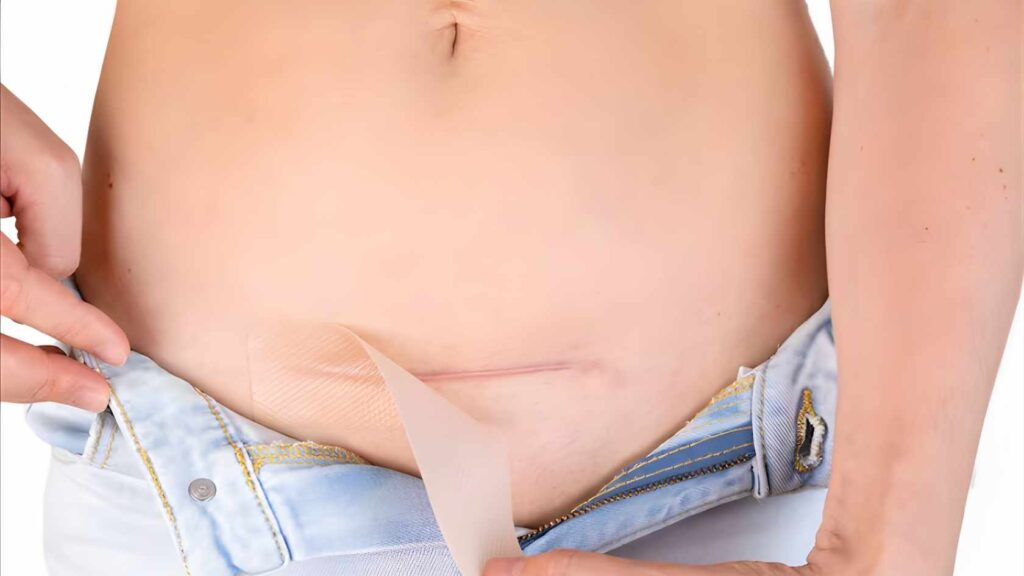
1. Understanding Abdominoplasty Scars
Scars form as part of the body’s natural healing response after surgical incisions. During abdominoplasty, incisions are usually placed along the lower abdomen where they can be concealed under clothing.
The appearance of scars depends on several factors:
Skin type and healing ability
Extent of the procedure
Incision placement
Post-surgical care
Lifestyle factors
Most scars initially appear firm and darker, gradually softening and fading as healing progresses.
2. Types of Scars After Abdominoplasty
Different individuals may experience different scar patterns after surgery.
Fine Linear Scars
These are thin and flat scars that form with proper healing and minimal tension on the incision.
Hypertrophic Scars
These scars appear raised but remain within the incision boundary. They may improve over time with care.
Keloid Scars
Keloids extend beyond the incision area and are influenced by individual healing tendencies.
Pigmented Scars
Some scars may appear darker or lighter than surrounding skin depending on skin tone and healing response.
Understanding these variations helps individuals recognize that scar healing differs from person to person.
3. Early Scar Care After Surgery
Scar management begins in the early healing phase. Initial care focuses on protecting the incision and allowing proper tissue repair.
Common early care practices include:
Keeping the incision clean and dry
Avoiding strain on the abdominal area
Wearing supportive garments
Following post-operative instructions
Proper early care helps reduce complications and supports healthy scar formation.
4. Importance of Wound Healing
Healthy wound healing plays a major role in scar quality. During healing, the body produces collagen to repair tissue. Balanced collagen formation leads to smoother scars, while excessive or irregular healing may result in raised scars.
Adequate nutrition, hydration, and rest support healing. Avoiding activities that stress the incision area is also essential during the initial recovery phase.
5. Compression Garments and Scar Support
Compression garments are often recommended after abdominoplasty. These garments help:
Reduce swelling
Support abdominal tissues
Minimize tension on the incision
Reducing tension on healing tissue supports smoother scar formation and improves overall contour.
6. Topical Scar Care Options
After the incision has healed sufficiently, topical scar care may be introduced. These measures aim to improve skin texture and reduce visible scarring.
Common approaches include:
Silicone-based products
Moisturizing agents
Gentle massage techniques
Topical care should only begin once healing is adequate and under appropriate guidance.
7. Role of Sun Protection
Sun exposure can darken scars and make them more noticeable. Protecting healing skin from direct sunlight helps maintain even pigmentation.
Using protective clothing and avoiding prolonged exposure during early healing supports better scar appearance over time.
8. Scar Massage Techniques
Scar massage may be recommended once healing has progressed. Gentle massage helps:
Improve tissue flexibility
Reduce tightness
Support smoother skin texture
Massage should be performed only after complete wound closure and under proper guidance.
9. Medical Interventions for Scar Management
In some cases, additional treatments may be considered to improve scar appearance.
These may include:
Silicone sheet therapy
Pressure therapy
Scar modulation techniques
Such approaches are used selectively based on scar type and healing response.
10. Long-Term Scar Maturation
Scar healing is a gradual process that may continue for several months. Over time, scars often:
Become softer
Flatten
Fade in color
Patience is important during this phase, as scar maturation cannot be rushed.
11. Lifestyle Factors Affecting Scar Healing
Certain lifestyle habits influence how scars heal.
Important considerations include:
Maintaining stable body weight
Avoiding smoking
Supporting skin health with balanced nutrition
Following post-surgical guidance
Healthy habits contribute to improved healing outcomes.
12. Psychological Aspects of Scar Acceptance
Adjusting to post-surgical scars can take time. Understanding that scars are a natural part of healing helps individuals adapt to changes in body appearance.
Supportive counseling and realistic expectations can improve confidence and satisfaction during recovery.
13. Monitoring Scar Changes
Regular observation of scar progression helps identify any changes early. Signs such as excessive thickening, redness, or discomfort should be evaluated.
Early attention allows timely care and supports better long-term outcomes.
14. Importance of Follow-Up Care
Follow-up visits allow monitoring of healing and scar development. Guidance during these visits helps ensure that scar management steps are followed appropriately.
Continued observation supports safe recovery and improves scar outcomes.
Final Overview
Abdominoplasty scar management is a continuous process that begins immediately after surgery and continues through long-term healing. Understanding scar formation, early care, lifestyle factors, and available management options helps individuals take an active role in recovery. For those undergoing abdominal contouring procedures in Thodupuzha, Idukki, informed scar care supports healthy healing, improves appearance over time, and encourages realistic expectations about surgical outcomes.
Table Of Contents
Introduction
A brief overview explaining what abdominoplasty treatment is and how it helps improve abdominal contour and firmness. Learn more
Consultation
An initial evaluation to assess abdominal concerns, discuss goals, and determine suitability for abdominoplasty treatment. Learn more
Steps
A simplified outline of the key stages involved in the abdominoplasty procedure, from preparation to completion. Learn more
Types
Types of abdominoplasty surgery in Idukki include full abdominoplasty, mini abdominoplasty, extended abdominoplasty, and procedures combined with muscle tightening. Learn more
Recovery
Recovery care in Idukki includes rest, use of compression garments, gradual activity, monitoring healing, and scheduled follow-up visits. Learn more
Frequently Asked Questions
1. Is scarring normal after abdominoplasty surgery?
Yes, scarring is a natural part of healing after abdominoplasty because the procedure involves surgical incisions.
2. Where are abdominoplasty scars usually located?
Scars are typically placed along the lower abdomen so they can be concealed under clothing.
3. How long does it take for abdominoplasty scars to fade?
Scars gradually improve over several months as they soften, flatten, and lighten in color.
4. Can scar appearance vary from person to person?
Yes, scar healing depends on factors such as skin type, healing ability, and post-surgical care.
5. When can scar care begin after abdominoplasty?
Scar care usually begins after the incision has healed and as advised during follow-up visits.
6. Do compression garments help with scar healing?
Yes, compression garments support tissues, reduce swelling, and help minimize tension on healing scars.
7. Can sun exposure affect abdominoplasty scars?
Yes, direct sun exposure may darken scars, so protecting the area during healing is important.
8. Is scar massage helpful after abdominoplasty?
Scar massage may improve flexibility and texture once healing has progressed and guidance is provided.
9. Do all abdominoplasty scars look the same?
No, scars may appear thin, raised, or pigmented depending on individual healing patterns.
10. Is long-term scar improvement possible after surgery?
Yes, scars often continue to mature and improve in appearance over time with proper care and healing.

Dr. Thara Augustine
Plastic & Aesthetic Surgeon
Dr. Thara Augustine is currently practicing at Smita Memorial Hospital and Research Centre, Thodupuzha, Idukki where she provides comprehensive plastic and aesthetic surgical care to patients.