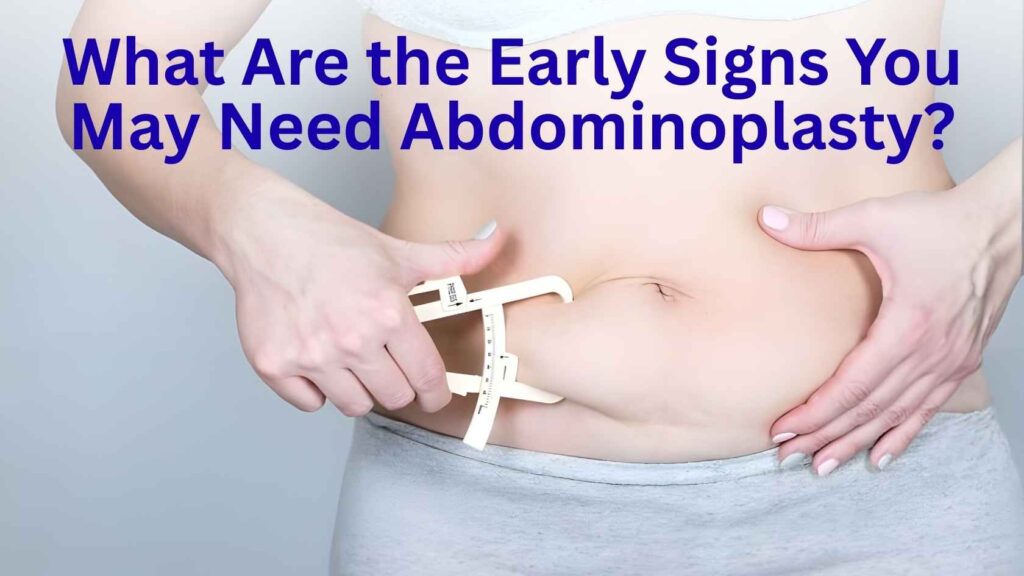
Early signs you may need abdominoplasty can often be recognized through physical changes in the abdominal region that do not improve with lifestyle measures. Recognizing these changes helps individuals understand when surgical contouring may be considered. For people observing persistent abdominal concerns in Thrissur, early awareness of these signs can support informed decision-making and timely medical evaluation. Abdominoplasty is typically considered when structural changes in the abdomen do not respond to lifestyle measures and continue to affect comfort, function, or appearance.
1. Understanding Abdominal Changes Over Time
The abdomen undergoes significant changes due to weight fluctuations, pregnancy, aging, and lifestyle factors. Skin elasticity reduces, muscles may separate, and fat distribution patterns shift. These changes can result in loose skin, weakened abdominal support, and altered body contour.
In many cases, diet and exercise help improve tone and reduce fat. However, when structural changes occur—such as stretched skin or muscle separation—non-surgical methods may not be sufficient. Recognizing these limitations is an important step in identifying whether further evaluation is necessary.
2. Persistent Loose or Sagging Abdominal Skin
One of the earliest and most noticeable signs is loose skin that does not tighten despite weight loss or physical activity. This may occur after significant weight reduction or post-pregnancy body changes. The skin may appear folded, stretched, or wrinkled, especially in the lower abdomen.
This condition often results from overstretched skin fibers that lose their ability to retract. When this occurs, exercise strengthens muscles underneath but does not correct the skin laxity itself.
3. Abdominal Muscle Weakness or Separation
Abdominal muscles provide core support and stability. After pregnancy or major weight changes, these muscles can separate, leading to reduced strength and a protruding abdomen. This condition may cause:
Difficulty maintaining posture
Core instability
Visible bulging in the mid-section
Reduced abdominal tone despite exercise
Muscle separation may not resolve fully through strengthening alone, especially when the connective tissues have stretched significantly.
4. Protruding Lower Abdomen
A persistent bulge in the lower abdomen is another early indicator. Even with normal weight, the abdominal contour may appear uneven or extended outward. This may be linked to:
Weak abdominal wall
Fat accumulation in specific areas
Skin laxity
Structural changes after pregnancy
The protrusion may remain despite maintaining an active lifestyle and healthy nutrition.
5. Changes After Pregnancy
Pregnancy introduces major anatomical and physiological changes. Skin stretching, muscle separation, and fat redistribution are common. While gradual recovery occurs after childbirth, some changes may remain long-term, including:
Loose lower abdominal skin
Reduced muscle tone
Stretch marks
Persistent abdominal fullness
These changes can influence both physical comfort and body alignment.
6. Effects of Major Weight Loss
Significant weight loss, whether gradual or rapid, can leave excess skin in the abdominal area. This skin may fold, hang, or shift with movement. Early signs include:
Skin that does not retract after fat reduction
Changes in abdominal contour
Soft tissue laxity
Uneven body shape
These changes may affect clothing fit and overall body balance.
7. Stretch Marks Accompanied by Skin Laxity
Stretch marks are common after pregnancy and weight fluctuations. When combined with loose skin, they may indicate deeper structural stretching of the abdominal tissues. This combination can signal reduced elasticity and support within the skin and underlying layers.
While stretch marks alone do not indicate a need for surgical contouring, their presence alongside sagging skin may highlight changes in tissue structure.
8. Skin Irritation or Discomfort in Folds
Excess abdominal skin can create folds where moisture accumulates. This may lead to irritation, friction, and discomfort during movement. Early signs include:
Redness in skin folds
Difficulty maintaining dryness
Friction during walking or exercise
Localized sensitivity
These symptoms often develop gradually and may worsen with activity.
9. Difficulty Achieving Abdominal Tone Despite Exercise
Individuals who consistently maintain fitness routines may still notice that abdominal contour does not improve. This may occur due to:
Skin laxity
Muscle separation
Fat deposits resistant to exercise
Structural changes after weight loss
Recognizing this limitation helps differentiate between lifestyle-related concerns and structural issues.
10. Postural Changes Linked to Abdominal Weakness
Weak abdominal muscles affect posture and spinal support. Early signs include:
Forward tilting posture
Lower back strain
Reduced core stability
Difficulty sustaining upright alignment
Core support plays a vital role in overall body mechanics, and changes in abdominal structure can influence daily movement patterns.
11. Emotional and Lifestyle Considerations
Abdominal changes can also influence confidence, clothing comfort, and activity choices. Individuals may notice:
Avoidance of certain clothing styles
Reduced participation in physical activities
Self-awareness about abdominal contour
These experiences may develop gradually and are often part of the early decision-making process.
12. Differentiating Fat from Structural Changes
Understanding the difference between fat accumulation and structural abdominal changes is essential. Fat may respond to lifestyle modifications, while loose skin and muscle separation may not.
Indicators of structural changes include:
Skin that remains loose after fat reduction
Core weakness despite strengthening exercises
Persistent abdominal folds
Changes that remain stable over time
Recognizing this distinction supports more accurate expectations about improvement.
13. Importance of Medical Evaluation
Early signs should be assessed through professional evaluation rather than self-diagnosis. A structured assessment may include:
Review of medical history
Physical examination of abdominal tissues
Evaluation of muscle strength
Assessment of skin elasticity
Discussion of expectations and goals
This helps determine whether concerns are related to fat, muscle, skin, or a combination.
14. Timing Considerations
Timing plays an important role when considering abdominal contouring. Factors that influence timing include:
Stable body weight
Completion of pregnancy plans
General health status
Healing capacity
Lifestyle readiness
Early recognition allows individuals to plan appropriately and avoid rushed decisions.
15. Functional Benefits of Addressing Structural Changes
When abdominal structural changes are significant, they may influence daily comfort and movement. Addressing these concerns can potentially support:
Improved posture
Enhanced core stability
Reduced discomfort from skin folds
Better clothing fit
Balanced body contour
These outcomes are often part of the broader discussion during evaluation.
16. Long-Term Impact of Ignoring Early Signs
Ignoring early indicators may allow abdominal changes to progress. Over time, skin laxity and muscle weakness may increase, and discomfort may become more noticeable. Early understanding supports proactive planning and informed lifestyle choices.
17. Preparing for an Informed Decision
Recognizing early signs does not automatically lead to surgical decisions. Instead, it encourages:
Better understanding of body changes
Clear expectations
Lifestyle awareness
Structured medical consultation
Long-term planning
This approach promotes thoughtful and gradual decision-making.
18. Individual Variation in Abdominal Changes
Each person’s abdominal structure and healing patterns are unique. Factors such as genetics, age, weight history, and lifestyle contribute to how the abdomen changes over time. Early signs may appear differently across individuals, emphasizing the need for personalized assessment.
19. Role of Lifestyle in Supporting Abdominal Health
Lifestyle habits continue to influence abdominal tone and support even when structural changes exist. Key elements include:
Balanced nutrition
Regular physical activity
Core strengthening exercises
Hydration
Posture awareness
These factors remain important regardless of treatment decisions.
20. Final Overview
Early signs that may indicate consideration of abdominoplasty often develop gradually and relate to structural abdominal changes rather than temporary concerns. Loose skin, muscle separation, persistent lower abdominal bulging, and post-pregnancy or post-weight-loss changes are among the most common indicators. Awareness allows individuals to seek guidance, understand options, and plan responsibly.
For individuals noticing these early abdominal changes in Thrissur, recognizing them at the right stage supports informed conversations, realistic expectations, and a structured approach toward improving abdominal comfort, function, and contour.
Frequently Asked Questions
1. What are the early signs that may indicate the need for abdominoplasty?
Early signs include loose abdominal skin, weakened muscles, and a persistent lower abdominal bulge that does not improve with exercise.
2. Can exercise remove excess abdominal skin?
Exercise can strengthen muscles and reduce fat, but it cannot tighten significantly stretched or loose skin.
3. Is a protruding abdomen always due to fat?
Not always; it may result from muscle separation, skin laxity, or structural changes in the abdominal wall.
4. Do pregnancy-related abdominal changes improve on their own?
Some changes improve naturally, but loose skin and muscle separation may persist over time.
5. Can major weight loss lead to abdominal skin concerns?
Yes, significant weight loss can leave excess skin that affects abdominal contour.
6. Are stretch marks a sign that abdominoplasty may be needed?
Stretch marks alone do not indicate surgery, but when combined with loose skin, they may reflect structural changes.
7. When should someone consider evaluation for abdominal contour concerns?
Evaluation is helpful when abdominal changes persist despite lifestyle measures and affect comfort or appearance.
8. Does age influence abdominal skin elasticity?
Yes, skin elasticity reduces with age, making it harder for stretched skin to tighten naturally.
9. Can abdominal muscle separation affect posture?
Yes, weakened or separated muscles may influence posture and core stability.
10. Is medical assessment important before deciding on abdominoplasty?
Yes, professional evaluation helps identify whether concerns are due to fat, muscle weakness, or skin laxity and guides appropriate options.

Dr. Thara Augustine
Plastic & Aesthetic Surgeon
Dr. Thara Augustine is currently practicing at Smita Memorial Hospital and Research Centre, Thodupuzha, Idukki where she provides comprehensive plastic and aesthetic surgical care to patients.