Complete Guide to Nose Reshaping Surgery Procedure
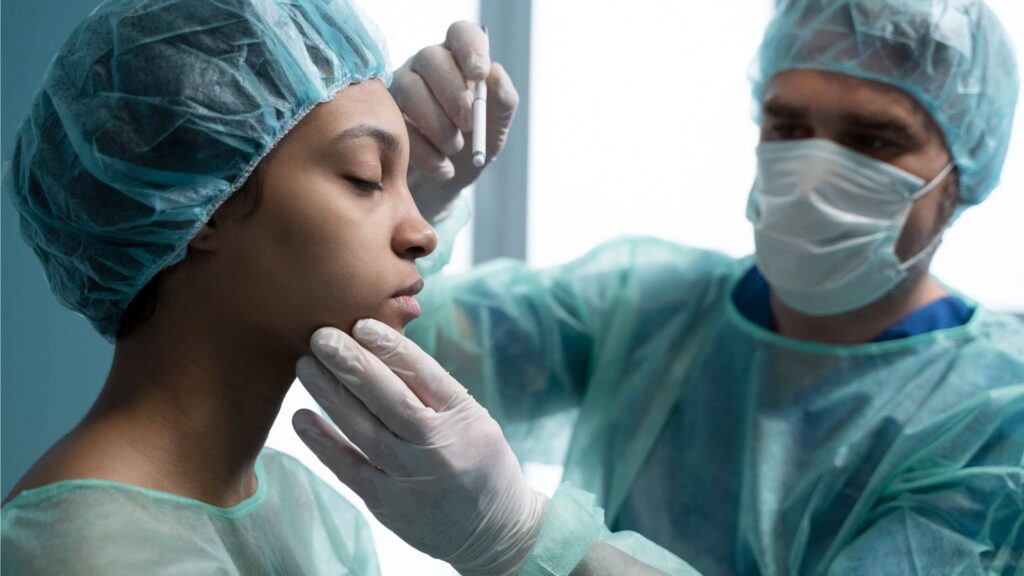
The nose reshaping surgery procedure is one of the most popular cosmetic and functional facial surgeries performed worldwide. Whether an individual wants to improve the appearance of the nose, correct breathing difficulties, or address a congenital nasal concern, understanding the nose reshaping surgery procedure helps patients make informed decisions.
A well-planned nose reshaping surgery procedure can improve facial harmony, boost confidence, and enhance nasal function. Modern surgical techniques allow surgeons to achieve natural-looking results while maintaining balance with the rest of the facial features.
This comprehensive guide explains every stage of the nose reshaping surgery procedure, from consultation to recovery and long-term results.
What Is Nose Reshaping Surgery?
Nose reshaping surgery, commonly known as rhinoplasty, is a surgical procedure designed to alter the shape, size, structure, or function of the nose.
The nose reshaping surgery procedure may be performed for:
- Cosmetic enhancement
- Correction of a crooked nose
- Reducing a nasal hump
- Refining the nasal tip
- Improving facial balance
- Correcting birth defects
- Restoring nasal structure after injury
- Improving breathing problems
Understanding the nose reshaping surgery procedure helps patients establish realistic expectations before surgery.
Who Can Benefit From a Nose Reshaping Surgery Procedure?
The nose reshaping surgery procedure may be suitable for individuals who:
- Are unhappy with the shape of their nose
- Have a prominent nasal hump
- Have a wide nasal bridge
- Have a drooping nasal tip
- Experience breathing difficulties
- Have suffered nasal trauma
- Have realistic expectations
A consultation helps determine whether a nose reshaping surgery procedure is the right option.
Initial Consultation Before the Nose Reshaping Surgery Procedure
The first step in the nose reshaping surgery procedure is a detailed consultation.
During this visit, the surgeon evaluates:
Medical History
Patients discuss:
- Previous surgeries
- Existing medical conditions
- Allergies
- Current medications
Nasal Examination
The surgeon assesses:
- Nasal structure
- Skin thickness
- Bone and cartilage support
- Breathing function
Facial Analysis
A complete facial assessment ensures the nose reshaping surgery procedure produces balanced and natural-looking results.
Treatment Planning
Customized surgical goals are discussed to create a personalized nose reshaping surgery procedure plan.
Preparing for the Nose Reshaping Surgery Procedure
Preparation plays an important role in achieving optimal outcomes.
Pre-Surgery Instructions
Patients are generally advised to:
- Stop smoking
- Avoid alcohol
- Avoid blood-thinning medications if approved by their physician
- Complete required medical tests
- Follow dietary recommendations
Careful preparation improves the safety of the nose reshaping surgery procedure.
Types of Nose Reshaping Surgery Procedure
Different surgical techniques may be used depending on the patient’s goals.
Open Rhinoplasty
In this nose reshaping surgery procedure, a small incision is made between the nostrils.
Benefits include:
- Better visibility
- Precise reshaping
- Suitable for complex corrections
Closed Rhinoplasty
All incisions are placed inside the nostrils.
Benefits include:
- No visible external scar
- Reduced swelling
- Faster recovery
The choice of nose reshaping surgery procedure depends on the complexity of the case.
Step-by-Step Nose Reshaping Surgery Procedure
Understanding each stage helps patients feel more confident before surgery.
Step 1: Administration of Anesthesia
The nose reshaping surgery procedure typically begins with anesthesia to ensure comfort throughout the operation.
Options may include:
- General anesthesia
- Intravenous sedation
Step 2: Surgical Incisions
Depending on the surgical approach, incisions are made either inside the nostrils or across the columella.
This allows access to the underlying nasal structures during the nose reshaping surgery procedure.
Step 3: Reshaping the Nasal Structure
The surgeon carefully modifies:
- Nasal bone
- Cartilage
- Soft tissues
Common corrections include:
- Reducing humps
- Narrowing the bridge
- Refining the tip
- Straightening the nose
This is the most important stage of the nose reshaping surgery procedure.
Step 4: Functional Corrections
If breathing issues are present, the surgeon may:
- Correct a deviated septum
- Improve airflow
- Repair internal structures
Functional improvements are often combined with cosmetic enhancements during the nose reshaping surgery procedure.
Step 5: Closing the Incisions
Once reshaping is completed, the incisions are carefully closed.
The surgeon ensures proper alignment to support healing and long-term results.
Step 6: Splint Placement
A protective splint is applied to maintain the new shape during the early recovery phase of the nose reshaping surgery procedure.
How Long Does the Nose Reshaping Surgery Procedure Take?
The duration of the nose reshaping surgery procedure varies depending on complexity.
Typical surgery time ranges from:
- 1.5 to 3 hours
More extensive procedures may require additional surgical time.
Recovery After a Nose Reshaping Surgery Procedure
Recovery is an essential part of the overall treatment journey.
First Week
Patients may experience:
- Mild swelling
- Bruising around the eyes
- Nasal congestion
- Minor discomfort
Most patients return home on the same day after the nose reshaping surgery procedure.
Weeks Two to Four
During this stage:
- Bruising gradually resolves
- Swelling decreases
- Daily activities resume
Healing continues steadily after the nose reshaping surgery procedure.
Long-Term Recovery
The final shape develops gradually.
Patients may notice:
- Improved nasal contours
- Better facial harmony
- Enhanced breathing function
Final results of the nose reshaping surgery procedure may take several months to fully appear.
Benefits of a Nose Reshaping Surgery Procedure
There are several advantages associated with the nose reshaping surgery procedure.
Aesthetic Benefits
- Improved facial balance
- Better nasal symmetry
- Refined profile appearance
- Enhanced confidence
Functional Benefits
- Improved breathing
- Better airflow
- Correction of structural issues
These benefits make the nose reshaping surgery procedure a highly sought-after treatment.
Potential Risks of a Nose Reshaping Surgery Procedure
Although generally safe, every surgery carries some risks.
Possible risks include:
- Swelling
- Bruising
- Infection
- Bleeding
- Temporary numbness
- Breathing changes
- Minor asymmetry
Choosing an experienced surgeon significantly reduces complications associated with the nose reshaping surgery procedure.
Tips for Faster Recovery
Patients can support healing by following post-operative instructions.
Recovery Recommendations
- Sleep with the head elevated
- Avoid strenuous activities
- Protect the nose from injury
- Stay hydrated
- Attend follow-up appointments
- Follow medication instructions
These steps help optimize recovery after the nose reshaping surgery procedure.
When Will Results Be Visible?
Most patients notice improvement soon after splint removal.
However:
- Initial results appear within weeks
- Major swelling resolves within months
- Final results may take up to a year
Patience is important after a nose reshaping surgery procedure.
Importance of Choosing an Experienced Surgeon
The success of a nose reshaping surgery procedure depends heavily on surgical expertise.
Consider:
- Qualifications
- Experience
- Patient reviews
- Before-and-after results
- Communication style
An experienced surgeon can provide natural-looking outcomes while preserving nasal function.
Psychological Benefits of Nose Reshaping Surgery
Many patients report positive emotional changes after surgery.
These may include:
- Improved self-confidence
- Greater comfort in social situations
- Enhanced body image
- Better overall satisfaction with appearance
The nose reshaping surgery procedure often contributes to both physical and emotional well-being.
Conclusion
The nose reshaping surgery procedure is a highly effective solution for individuals seeking aesthetic enhancement or functional improvement of the nose. Understanding every stage of the nose reshaping surgery procedure helps patients prepare for surgery with confidence and realistic expectations.
From consultation and planning to recovery and final results, each step plays a crucial role in achieving successful outcomes. Choosing a qualified surgeon, following pre-operative instructions, and maintaining proper post-operative care significantly improve the overall experience and results.
For additional information about rhinoplasty and nasal surgery, visit the official resource provided by the American Society of Plastic Surgeons.
Frequently Asked Questions

Dr. Thara Augustine
M.Ch. (Plastic Surgery), DrNB (Plastic Surgery), MRCS (Edinburgh), DNB (General Surgery), MS (General Surgery), MBBS
Smita Memorial Hospital and Research Centre, Thodupuzha, Idukki