Types of Abdominoplasty Surgery: Techniques, Indications, and Treatment Approach Overview
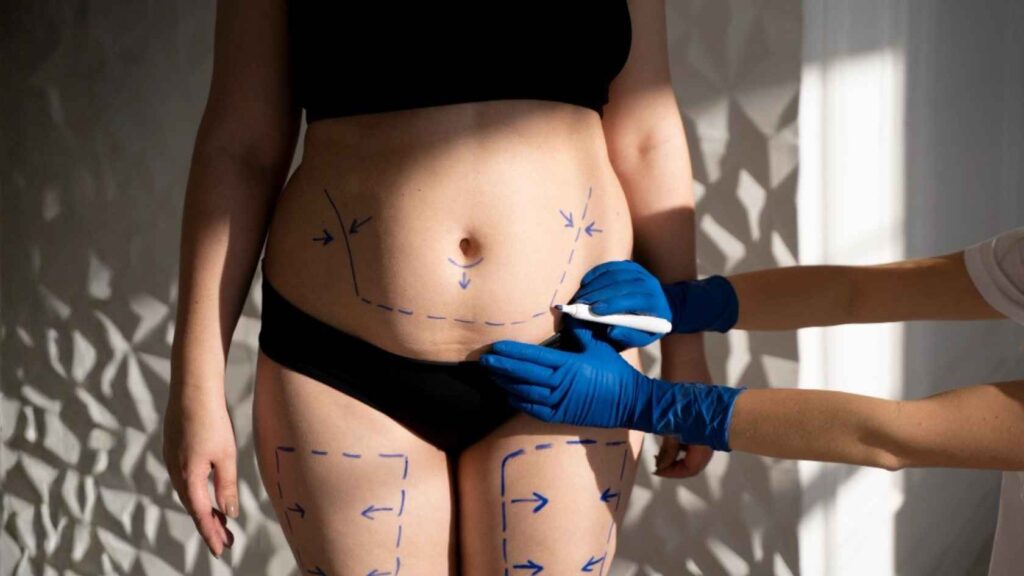
Understanding the different types of abdominoplasty surgery helps individuals make informed decisions when considering abdominal contouring procedures. For those exploring treatment options in Thodupuzha, Idukki, knowing how each type differs in terms of technique, indication, and recovery can support realistic expectations and better preparation. Abdominoplasty is not a single standardized procedure; it includes multiple surgical approaches designed to address varying levels of excess skin, fat distribution, and abdominal muscle laxity.
Abdominoplasty, commonly known as a tummy tuck, is performed to improve abdominal contour by removing excess skin, tightening weakened muscles, and reshaping the midsection. The type of procedure recommended depends on the individual’s body structure, skin condition, and treatment goals.
1. Full Abdominoplasty
Full abdominoplasty is one of the most commonly performed types of abdominal contouring procedures. It is designed for individuals with significant excess skin and muscle laxity across the entire abdominal region.
Key Features
Addresses both upper and lower abdomen
Involves removal of excess skin and fat
Includes tightening of abdominal muscles
Repositions the navel when required
When It Is Considered
This type is typically recommended when there is:
Generalized abdominal laxity
Post-pregnancy abdominal stretching
Weight-loss–related loose skin
Full abdominoplasty provides comprehensive reshaping of the abdominal wall and improves overall contour.
2. Mini Abdominoplasty
Mini abdominoplasty focuses on the lower abdomen below the navel. It is less extensive than a full procedure and involves a smaller incision.
Key Features
Targets lower abdominal bulge
Limited skin removal
Muscle tightening may be performed in selected cases
Shorter operative time compared to full abdominoplasty
When It Is Considered
Mini abdominoplasty may be appropriate when:
Skin laxity is mild
Excess tissue is confined to the lower abdomen
Muscle separation is minimal
Recovery is usually quicker compared to more extensive procedures.
3. Extended Abdominoplasty
Extended abdominoplasty is performed when excess skin and fat extend beyond the abdomen to the sides and flanks.
Key Features
Removes tissue from abdomen and flanks
Provides improved contour around the waistline
Addresses larger areas of laxity
When It Is Considered
This approach is typically used in individuals who have:
Significant weight loss
Extensive skin redundancy
Circumferential abdominal laxity
The procedure helps create a more balanced abdominal and waist contour.
4. Circumferential Abdominoplasty
Circumferential abdominoplasty, sometimes referred to as a body lift approach, addresses the abdomen and surrounding trunk areas.
Key Features
Targets abdomen, flanks, and lower back
Removes excess tissue around the midsection
Improves overall body contour
When It Is Considered
This type is generally considered for individuals who:
Have undergone massive weight reduction
Experience widespread skin laxity
Need contouring beyond the front of the abdomen
The goal is comprehensive reshaping rather than localized correction.
5. Fleur-de-Lis Abdominoplasty
Fleur-de-lis abdominoplasty is designed for cases where excess skin exists both horizontally and vertically.
Key Features
Vertical and horizontal tissue removal
Improves contour in multiple dimensions
Addresses severe skin laxity
When It Is Considered
This technique may be used when:
Skin redundancy is extensive
Significant weight loss has occurred
Traditional approaches may not provide sufficient correction
It allows more comprehensive reshaping in complex cases.
6. High Lateral Tension Abdominoplasty
High lateral tension abdominoplasty focuses on improving contour along the lateral abdomen and waist.
Key Features
Emphasis on waist definition
Redistribution of skin tension
Enhanced contouring effect
When It Is Considered
This approach is used when:
Waist contour requires improvement
Skin laxity extends laterally
Additional shaping is needed beyond the central abdomen
It helps create smoother transitions between the abdomen and flanks.
7. Reverse Abdominoplasty
Reverse abdominoplasty targets the upper abdomen rather than the lower abdominal region.
Key Features
Skin tightening in the upper abdomen
Incisions placed under the breast fold
Suitable for localized upper abdominal laxity
When It Is Considered
This procedure may be considered when:
Upper abdominal skin is loose
Lower abdomen is relatively firm
Contour improvement is required above the navel
It is a less commonly performed but useful option in selected cases.
8. Liposuction-Assisted Abdominoplasty
This type combines abdominoplasty with liposuction to enhance contouring results.
Key Features
Removal of localized fat deposits
Improved shaping around the abdomen
Better contour definition
When It Is Considered
It may be recommended when:
Fat distribution contributes to abdominal contour
Skin laxity coexists with fat accumulation
A more sculpted appearance is desired
The combination approach allows better contouring outcomes.
9. Muscle Repair-Focused Abdominoplasty
In some individuals, abdominal muscle separation is the primary concern rather than excess skin.
Key Features
Tightening of rectus muscles
Strengthening of abdominal wall
Improved posture support
When It Is Considered
This approach is useful when:
Muscle separation is significant
Skin laxity is moderate
Functional abdominal strength needs improvement
It helps restore structural support to the abdomen.
10. Post-Weight Loss Abdominoplasty
Post-weight loss abdominoplasty addresses changes that occur after major body weight reduction.
Key Features
Removal of redundant skin
Reshaping abdominal contour
Support for long-term body stabilization
When It Is Considered
It is often performed when:
Significant weight loss leads to loose skin
Multiple areas of laxity are present
Body contouring is required after transformation
The procedure focuses on restoring proportional body shape.
Choosing the Appropriate Type of Abdominoplasty
Selection of the appropriate type depends on several factors:
Degree of skin laxity
Distribution of fat tissue
Muscle integrity
Overall health condition
Individual contour goals
Not every type is suitable for every individual. A personalized approach helps determine the most appropriate surgical method.
Recovery Considerations Across Different Types
Recovery varies based on the extent of the procedure performed. General recovery aspects may include:
Temporary swelling and bruising
Gradual return to daily activities
Use of supportive garments
Follow-up monitoring
More extensive procedures may require longer recovery, while limited procedures allow quicker resumption of normal activities.
Long-Term Expectations
Abdominoplasty aims to improve abdominal contour and structural support. Long-term outcomes depend on:
Weight stability
Lifestyle habits
Healing response
Adherence to post-procedure care
Maintaining healthy routines supports long-term contour preservation.
Final Overview
Different types of abdominoplasty surgery are designed to address varying levels of abdominal laxity, fat distribution, and muscle separation. Understanding these options helps individuals explore suitable treatment pathways and set realistic expectations. For those considering abdominal contouring in Thodupuzha, Idukki, awareness of the available procedure types supports informed decision-making and preparation for safe, structured treatment.
Table Of Contents
Introduction
A brief overview explaining what abdominoplasty treatment is and how it helps improve abdominal contour and firmness. Learn more
Consultation
An initial evaluation to assess abdominal concerns, discuss goals, and determine suitability for abdominoplasty treatment. Learn more
Steps
A simplified outline of the key stages involved in the abdominoplasty procedure, from preparation to completion. Learn more
Scar management
Scar management in Idukki involves proper wound care, medical guidance, silicone-based products, and regular follow-up for optimal healing. Learn more
Recovery
Recovery care in Idukki includes rest, use of compression garments, gradual activity, monitoring healing, and scheduled follow-up visits. Learn more
Frequently Asked Questions
1. What are the different types of abdominoplasty surgery?
Abdominoplasty includes several types such as full, mini, extended, circumferential, reverse, and liposuction-assisted procedures based on individual abdominal concerns.
2. How is a full abdominoplasty different from a mini abdominoplasty?
Full abdominoplasty addresses the entire abdomen and muscle tightening, while mini abdominoplasty focuses mainly on the lower abdomen with limited correction.
3. Who may need an extended abdominoplasty?
Extended abdominoplasty may be considered for individuals with excess skin and fat extending to the sides of the abdomen and flanks.
4. When is circumferential abdominoplasty recommended?
Circumferential abdominoplasty is typically used when contouring is required around the entire midsection, including the abdomen and lower back.
5. What is reverse abdominoplasty used for?
Reverse abdominoplasty targets loose skin in the upper abdomen and is useful when the lower abdomen does not require major correction.
6. Is liposuction always part of abdominoplasty surgery?
Liposuction is not always required but may be combined with abdominoplasty when excess fat contributes to abdominal contour concerns.
7. Can abdominoplasty help tighten abdominal muscles?
Yes, many types of abdominoplasty include repair and tightening of weakened abdominal muscles to improve support and contour.
8. Is one type of abdominoplasty suitable for everyone?
No, the most suitable type depends on factors such as skin laxity, fat distribution, muscle condition, and overall health.
9. Does recovery differ between types of abdominoplasty?
Yes, recovery time and post-procedure care may vary depending on how extensive the surgical correction is.
10. Are results from abdominoplasty long-lasting?
Results can be long-lasting when body weight remains stable and healthy lifestyle habits are maintained.

Dr. Thara Augustine
Plastic & Aesthetic Surgeon
Dr. Thara Augustine is currently practicing at Smita Memorial Hospital and Research Centre, Thodupuzha, Idukki where she provides comprehensive plastic and aesthetic surgical care to patients.