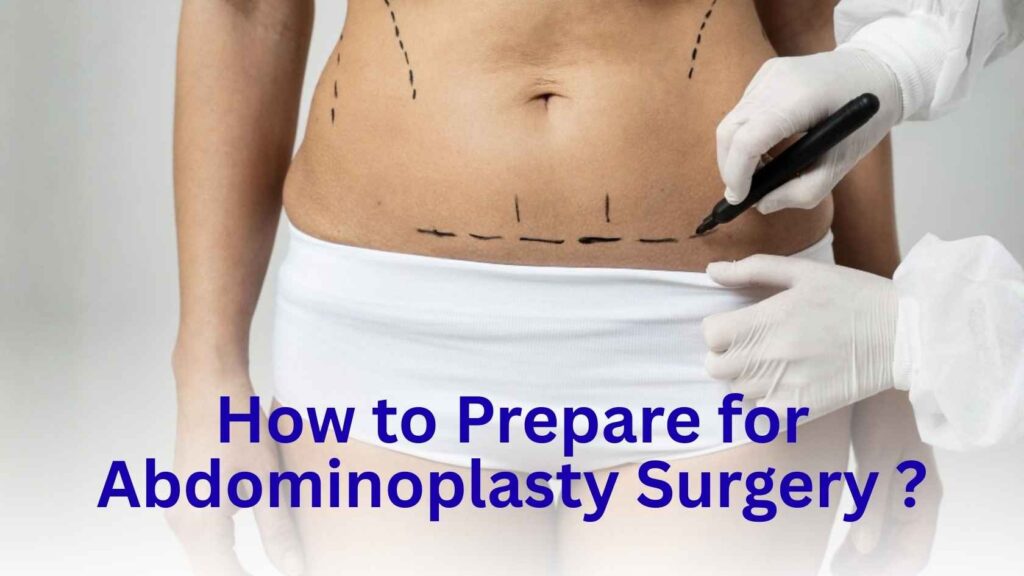
Preparing for abdominoplasty surgery involves several important steps that support safe treatment, smoother healing, and realistic expectations about results. For individuals considering abdominoplasty in Thrissur, understanding preparation requirements early helps ensure both physical and mental readiness for the procedure. Preparation begins well before the surgery date and includes medical assessments, lifestyle adjustments, and planning for recovery.
1. Understanding the Purpose of Preparation
Preparation is not limited to the day before surgery. It is a structured process designed to reduce surgical risks, improve healing, and help the body respond better to treatment. It includes physical readiness, emotional preparedness, and practical planning for the recovery period.
Proper preparation supports:
-
Better surgical outcomes
-
Reduced complications
-
Faster healing
-
Greater comfort during recovery
2. Medical Evaluation Before Surgery
A thorough medical assessment is one of the first steps. This helps determine overall health status and readiness for surgery. Evaluations may include:
-
Review of medical history
-
Assessment of current medications
-
Examination of abdominal structure
-
Laboratory investigations if required
This process helps identify any conditions that may need attention before surgery.
3. Discussing Health Conditions
Any existing health concerns should be clearly communicated. These may include:
-
Diabetes
-
Blood pressure conditions
-
Heart or respiratory concerns
-
Previous abdominal surgeries
Open communication helps plan surgery safely and adjust preparation steps when needed.
4. Maintaining a Stable Body Weight
Maintaining a stable and healthy weight before abdominoplasty supports long-term results. Sudden weight changes before surgery may affect abdominal contour and healing.
Key considerations include:
-
Avoiding rapid weight loss
-
Maintaining balanced nutrition
-
Stabilizing weight prior to scheduling surgery
5. Nutrition and Hydration
Proper nutrition supports tissue healing and recovery. Preparation includes focusing on a balanced diet that promotes strength and immune support.
Important aspects:
-
Protein-rich foods
-
Adequate hydration
-
Vitamin and mineral intake
-
Avoiding crash dieting
Nutrition plays a significant role in recovery quality.
6. Lifestyle Adjustments
Lifestyle habits influence healing and surgical safety. Certain adjustments are typically recommended weeks before surgery.
These may include:
-
Avoiding smoking
-
Limiting alcohol consumption
-
Maintaining regular physical activity
-
Improving sleep patterns
These changes help the body respond better to treatment.
7. Medication Review
All medications and supplements should be reviewed during preparation. Some substances may influence bleeding, healing, or anesthesia response.
Examples include:
-
Blood-thinning medications
-
Herbal supplements
-
Anti-inflammatory drugs
Guidance ensures safe continuation or temporary modification when needed.
8. Mental and Emotional Readiness
Preparation includes understanding expectations and emotional readiness. Surgery is a planned process, and mental preparedness helps reduce stress and anxiety.
This involves:
-
Understanding procedure goals
-
Accepting healing timelines
-
Preparing for temporary limitations
-
Setting realistic expectations
Emotional preparedness contributes to a smoother recovery experience.
9. Planning for Recovery Time
Recovery planning is essential before surgery. This ensures comfort and safety after the procedure.
Important considerations:
-
Time away from work
-
Assistance at home
-
Childcare planning if required
-
Transportation arrangements
Early planning prevents unnecessary stress during healing.
10. Preparing the Home Environment
A comfortable and safe environment supports recovery. Adjustments at home may include:
-
Arranging resting areas
-
Keeping essentials within reach
-
Planning easy access to medications
-
Preparing comfortable clothing
These steps improve comfort during the early recovery phase.
11. Clothing Preparation
Loose and comfortable clothing is recommended after surgery. Preparation includes selecting:
-
Soft garments
-
Easy-to-wear clothing
-
Support garments if advised
Comfortable clothing reduces strain on healing tissues.
12. Understanding Activity Restrictions
Preparation includes awareness of temporary activity limitations after surgery.
These may include:
-
Avoiding heavy lifting
-
Gradual return to walking
-
Delayed intense physical activity
-
Controlled movement during healing
Understanding these restrictions supports safe recovery.
13. Skin Care Before Surgery
Skin health contributes to better healing. Preparation may involve:
-
Maintaining skin hygiene
-
Avoiding irritation
-
Protecting skin from injury
-
Following pre-procedure skin instructions
Healthy skin improves recovery response.
14. Preparing for Post-Surgical Support
Support systems are important during early recovery. Planning may include:
-
Arranging assistance for daily tasks
-
Organizing follow-up visits
-
Preparing communication with caregivers
Support ensures smoother healing and comfort.
15. Understanding the Surgical Timeline
Preparation includes awareness of the surgical process and recovery stages. This helps individuals feel confident and informed.
Key stages include:
-
Pre-surgery preparation
-
Procedure day
-
Early healing phase
-
Gradual return to routine
Clarity about these stages improves readiness.
16. Avoiding Last-Minute Changes
Consistency in preparation is important. Sudden lifestyle changes before surgery may affect healing.
This includes:
-
Maintaining diet patterns
-
Continuing stable routines
-
Avoiding unplanned activities
Stability supports predictable recovery.
17. Learning About Healing Expectations
Preparation involves understanding healing timelines. Healing occurs gradually, and patience is essential.
Individuals should expect:
-
Initial swelling
-
Gradual improvement
-
Progressive comfort
-
Long-term contour refinement
Awareness prevents unrealistic expectations.
18. Importance of Follow-Up Planning
Post-surgical follow-up is part of preparation. It helps monitor healing and guide recovery steps.
Preparation includes:
-
Scheduling follow-up visits
-
Understanding wound care needs
-
Planning activity progression
These steps support long-term outcomes.
19. Preparing Physically for Surgery Day
Physical readiness involves:
-
Adequate rest
-
Following fasting instructions if given
-
Avoiding heavy meals before surgery
-
Wearing comfortable clothing
These steps support surgical safety.
20. Final Overview
Preparing for abdominoplasty surgery involves a structured approach that includes medical evaluation, lifestyle readiness, emotional preparation, and recovery planning. Each step contributes to safer treatment and better healing.
For individuals planning abdominoplasty in Thrissur, early preparation supports informed decision-making, reduces stress, and helps achieve a smoother recovery process. Understanding what to expect before surgery allows individuals to approach the procedure with confidence, clarity, and readiness for long-term outcomes.
Frequently Asked Questions
1. When should preparation for abdominoplasty surgery begin?
Preparation usually starts weeks before surgery to allow time for medical evaluation, lifestyle adjustments, and recovery planning.
2. Is medical evaluation necessary before abdominoplasty?
Yes, a health assessment helps ensure the body is ready for surgery and identifies any conditions that may need attention.
3. Should body weight be stable before abdominoplasty?
Maintaining a stable weight supports better surgical outcomes and long-term abdominal contour.
4. Does nutrition affect preparation for abdominoplasty?
Yes, balanced nutrition and hydration help support tissue strength and healing.
5. Why is smoking avoidance important before surgery?
Smoking can affect circulation and healing, so avoiding it helps improve recovery conditions.
6. Do medications need to be reviewed before abdominoplasty?
Yes, certain medications and supplements may need adjustment before surgery for safety.
7. Is it necessary to plan time off work before surgery?
Yes, planning rest time allows the body to heal without strain from daily responsibilities.
8. Should home arrangements be made before abdominoplasty?
Preparing a comfortable recovery space helps improve safety and convenience after surgery.
9. Can physical activity continue before surgery?
Light and regular activity may be continued, but intense exercise should be discussed during preparation.
10. Why is emotional readiness important before abdominoplasty?
Mental preparation helps individuals understand expectations, healing timelines, and recovery changes more confidently.

Dr. Thara Augustine
Plastic & Aesthetic Surgeon
Dr. Thara Augustine is currently practicing at Smita Memorial Hospital and Research Centre, Thodupuzha, Idukki where she provides comprehensive plastic and aesthetic surgical care to patients.