Hidradenitis Treatment in Thodupuzha Idukki
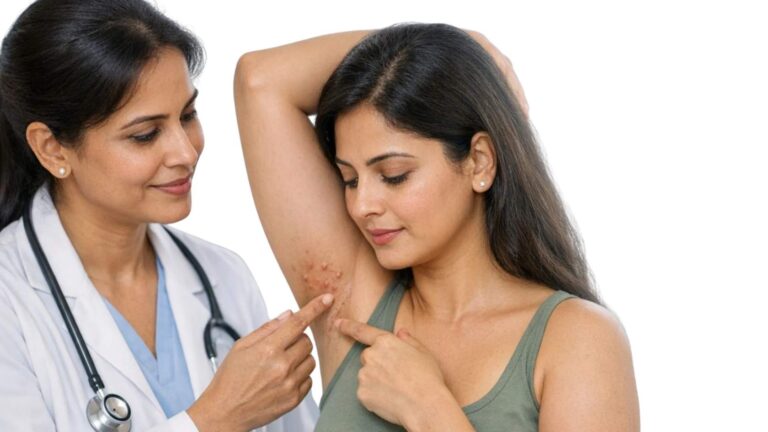
Hidradenitis Treatment in Thodupuzha Idukki focuses on providing advanced, effective, and patient-centered care for individuals suffering from a chronic and often painful skin condition known as Hidradenitis suppurativa. This condition typically affects areas of the body where skin rubs together, such as the underarms, groin, thighs, and buttocks. It is characterized by painful lumps, abscesses, tunnels under the skin (sinus tracts), and scarring.
Managing this condition requires a comprehensive approach that not only treats active symptoms but also prevents future flare-ups. Hidradenitis Treatment in Thodupuzha Idukki combines modern medical therapies, minimally invasive procedures, and lifestyle guidance to help patients achieve long-term relief and improved quality of life.
Understanding Hidradenitis Suppurativa
Hidradenitis suppurativa (HS) is a chronic inflammatory skin disease that develops when hair follicles become blocked and inflamed. Over time, these inflamed areas can form painful nodules, pus-filled abscesses, and interconnected sinus tracts beneath the skin.
The condition is not contagious, but it can significantly impact daily life due to pain, discomfort, and emotional stress. Early diagnosis and timely treatment are essential to prevent disease progression and permanent scarring.
Causes and Risk Factors
While the exact cause of HS is not fully understood, several contributing factors are known to play a role:
- Follicular blockage: Hair follicles become clogged, leading to inflammation.
- Immune system dysfunction: An abnormal immune response contributes to chronic inflammation.
- Hormonal influence: Hormonal changes can trigger or worsen symptoms.
- Genetic predisposition: A family history may increase the risk.
- Lifestyle factors: Smoking and obesity are strongly associated with HS severity.
Understanding these factors helps guide effective treatment strategies and long-term disease management.
Common Symptoms
Symptoms of hidradenitis suppurativa can vary in severity and may include:
- Painful lumps under the skin
- Recurrent abscesses that may rupture and drain pus
- Formation of tunnels (sinus tracts) under the skin
- Scarring and thickened skin
- Persistent inflammation in affected areas
These symptoms often occur in cycles, with periods of flare-ups followed by partial healing.
Treatment Goals
The primary goals of Hidradenitis Treatment in Thodupuzha Idukki include:
- Reducing pain and inflammation
- Preventing the formation of new nodules
- Managing infection and bacterial growth
- Minimizing scarring and skin damage
- Improving overall quality of life
A personalized treatment plan is essential, as the condition varies from person to person.
Common Treatment Approaches
1. Topical Medications
Topical treatments are often recommended for mild cases of HS. These include:
- Topical antibiotics such as clindamycin to reduce bacterial growth
- Antiseptic washes like benzoyl peroxide and chlorhexidine to maintain skin hygiene
These treatments help control early-stage disease and prevent worsening of symptoms.
2. Oral Antibiotics
For moderate cases, oral antibiotics are commonly prescribed. These medications not only fight infection but also reduce inflammation.
- Tetracycline antibiotics such as doxycycline
- Combination therapy with clindamycin and rifampicin
Long-term use may be required to keep symptoms under control and prevent flare-ups.
3. Biologic Therapy
Biologic medications are advanced treatments used for moderate to severe HS. One commonly used option is Adalimumab.
These medications work by targeting specific parts of the immune system responsible for inflammation. Other biologics may also be recommended based on individual patient needs.
Biologics are particularly effective in reducing the number and severity of flare-ups.
4. Hormonal Therapy
Hormonal therapy can be beneficial, especially for women whose symptoms are linked to hormonal changes.
- Anti-androgen medications such as spironolactone
- Oral contraceptive pills
These treatments help regulate hormonal imbalances and reduce flare frequency.
5. Steroid Injections
Corticosteroid injections are used to provide rapid relief from painful nodules.
- Reduce inflammation quickly
- Help shrink active lesions
- Provide immediate symptom relief
This option is particularly useful during acute flare-ups.
6. Surgical and Procedural Treatments
For severe or long-standing cases, surgical intervention may be necessary.
Deroofing Procedure
- Removes the top layer of sinus tracts
- Allows proper healing from within
- Minimizes recurrence in treated areas
Wide Excision Surgery
- Removal of extensively affected tissue
- Suitable for advanced HS
- Helps eliminate chronic lesions and scarring
Surgical options are carefully planned based on the extent and severity of the disease.
7. Laser Therapy
Laser treatments can play an important role in managing HS.
- Laser hair removal reduces follicular blockage
- Decreases bacterial growth
- Helps prevent new lesions
This is often used as an adjunct therapy alongside medications.
Treatment Based on Severity (Hurley Stages)
Hidradenitis suppurativa is classified into three stages, which guide treatment decisions:
Stage 1 (Mild)
- Occasional abscesses without sinus tracts
- Managed with topical treatments and short-term antibiotics
- Steroid injections may be used for flare control
Stage 2 (Moderate)
- Recurrent abscesses with limited sinus tract formation
- Requires long-term oral antibiotics
- Biologic therapy may be introduced
Stage 3 (Severe)
- Extensive involvement with multiple interconnected sinus tracts
- Requires biologic therapy and surgical intervention
- Focus on long-term disease control and quality of life
Lifestyle and Supportive Measures
In addition to medical treatment, lifestyle changes play a crucial role in managing HS effectively.
Weight Management
Maintaining a healthy weight reduces skin friction and inflammation, which can help decrease flare-ups.
Smoking Cessation
Smoking is strongly linked to worsening HS symptoms. Quitting smoking significantly improves treatment outcomes.
Skincare Routine
- Use gentle, non-irritating cleansers
- Avoid tight clothing that causes friction
- Maintain proper hygiene in affected areas
Stress Management
Stress can trigger flare-ups, so incorporating relaxation techniques can be beneficial.
Importance of Early Diagnosis
Early diagnosis and intervention are critical in preventing disease progression. Consulting a specialist at the first sign of symptoms can:
- Reduce the risk of severe complications
- Prevent permanent scarring
- Improve long-term outcomes
Delaying treatment can lead to more extensive disease and the need for aggressive interventions.
Benefits of Timely Treatment
Choosing the right Hidradenitis Treatment in Thodupuzha Idukki offers several benefits:
- Faster symptom relief
- Reduced frequency of flare-ups
- Prevention of disease progression
- Improved skin health and appearance
- Enhanced overall well-being
With the right approach, patients can lead a comfortable and active life despite the condition.
What to Expect During Treatment
Treatment for HS is typically long-term and requires regular follow-up. Patients can expect:
- A personalized treatment plan based on disease severity
- Combination therapy for better results
- Periodic monitoring and adjustments
- Support for lifestyle modifications
Consistency and adherence to treatment are key to achieving optimal outcomes.
Conclusion
Hidradenitis Treatment in Thodupuzha Idukki provides a comprehensive and effective approach to managing a challenging skin condition like Hidradenitis suppurativa. By combining advanced medical therapies, surgical options when necessary, and essential lifestyle changes, patients can experience significant relief from symptoms and prevent future complications.
Early diagnosis, proper care, and a tailored treatment plan play a vital role in improving quality of life and minimizing the long-term impact of the disease. With the right support and consistent management, individuals can successfully control hidradenitis suppurativa and regain confidence in their daily lives in Thodupuzha Idukki.
Table of Contents
Consultation
Involves early diagnosis and assessment to plan the most effective and personalized treatment. Learn more
Cost
Varies based on severity, treatment type, and duration of care. Learn more
Risks
May include minor side effects or recurrence, but are manageable with proper medical care. Learn more
Procedures
Includes procedures like steroid injections, laser therapy, deroofing, and surgical removal to manage severe cases of Hidradenitis suppurativa and prevent recurrence. Learn more
Frequently Asked Questions.
1. What is hidradenitis suppurativa?
Hidradenitis suppurativa is a long-term skin condition that causes painful lumps, abscesses, and scarring in areas like the underarms and groin.
2. What are the common symptoms of hidradenitis?
Symptoms include painful nodules, pus-filled abscesses, skin tunnels, and recurring inflammation.
3. What causes hidradenitis suppurativa?
It is caused by blocked hair follicles, immune system dysfunction, hormonal changes, and lifestyle factors like smoking and obesity.
4. Is hidradenitis suppurativa curable?
There is no permanent cure, but proper treatment can effectively control symptoms and prevent flare-ups.
5. What treatments are available for hidradenitis?
Treatment options include topical medications, oral antibiotics, biologics, laser therapy, and surgical procedures.
6. When should I see a doctor for hidradenitis?
You should seek medical help if you notice recurring painful lumps or slow-healing wounds on your skin.
7. Is hidradenitis treatment painful?
Most treatments are minimally painful, and procedures are performed with proper pain management.
8. How long does treatment take?
Treatment duration varies depending on severity, but it often requires long-term management.
9. Can lifestyle changes help manage hidradenitis?
Yes, maintaining a healthy weight, quitting smoking, and proper hygiene can reduce flare-ups.
10. Are there risks involved in hidradenitis treatment?
Risks are minimal and may include mild side effects or recurrence, which can be managed with proper care.

Dr. Thara Augustine
M.Ch. (Plastic Surgery), DrNB (Plastic Surgery), MRCS (Edinburgh), DNB (General Surgery), MS (General Surgery), MBBS
Smita Memorial Hospital and Research Centre, Thodupuzha, Idukki