Hidradenitis Treatment Risks in Thodupuzha Idukki
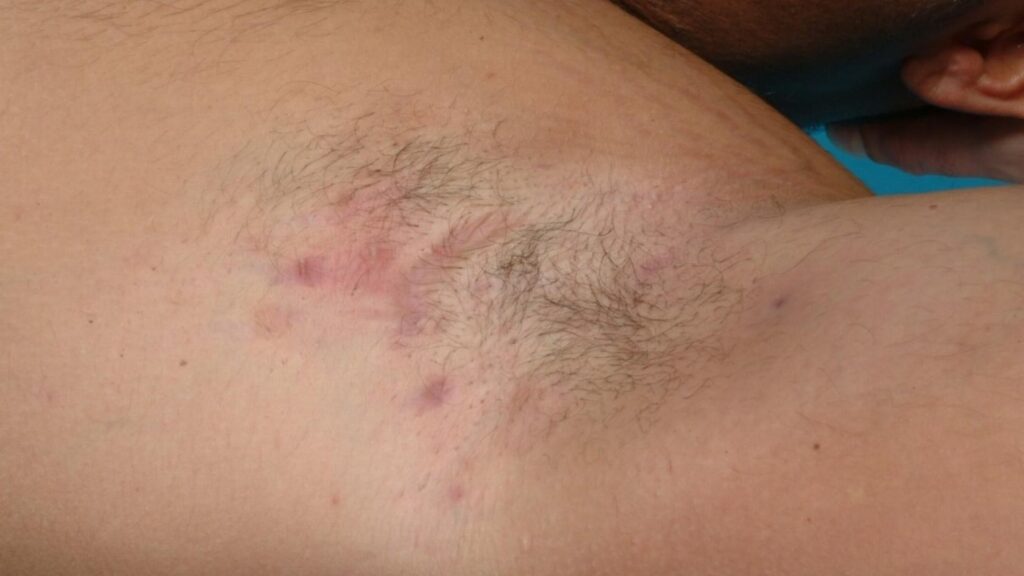
Hidradenitis Treatment Risks in Thodupuzha Idukki are generally minimal when managed under proper medical supervision, but like any medical condition, treatment for Hidradenitis suppurativa may involve certain risks and side effects. Understanding these risks helps patients make informed decisions and follow the right precautions for safe and effective outcomes.
Hidradenitis Treatment Risks in Thodupuzha Idukki mainly depend on the type of treatment chosen, the severity of the condition, and the individual’s overall health. With proper diagnosis, expert care, and regular follow-ups, most risks can be effectively managed and minimized.
Understanding Hidradenitis Suppurativa and Its Treatment
Hidradenitis suppurativa (HS) is a chronic inflammatory skin condition that requires long-term management. Treatment approaches include medications, lifestyle modifications, minimally invasive procedures, and surgery for severe cases.
Each treatment option offers benefits but may also carry certain risks, which vary from mild side effects to more complex complications in rare cases.
Common Treatment Risks
1. Medication-Related Risks
Medications are the first line of treatment and are generally safe, but they may cause some side effects.
Topical Medications
- Mild skin irritation
- Redness or dryness
- Temporary discomfort
Oral Antibiotics
- Stomach upset
- Nausea or diarrhea
- Risk of antibiotic resistance with long-term use
These side effects are usually mild and manageable with proper guidance.
2. Biologic Therapy Risks
Biologic medications such as Adalimumab are used for moderate to severe HS.
Possible Risks:
- Increased susceptibility to infections
- Injection site reactions
- Fatigue or mild flu-like symptoms
Regular monitoring helps ensure safe use of biologic therapies.
3. Hormonal Therapy Risks
Hormonal treatments may be recommended for certain patients.
Potential Side Effects:
- Hormonal imbalance symptoms
- Weight changes
- Mood fluctuations
These are typically monitored and adjusted based on patient response.
4. Steroid Injection Risks
Steroid injections are used for quick relief from inflamed lesions.
Possible Risks:
- Skin thinning at the injection site
- Temporary pain or swelling
- Rare risk of infection
These injections are generally safe when performed by experienced professionals.
Risks Associated with Procedures
1. Laser Therapy Risks
Laser treatment is considered safe but may have minor side effects:
- Temporary redness or swelling
- Mild skin irritation
- Rare pigmentation changes
These effects usually resolve within a short period.
2. Deroofing Procedure Risks
Deroofing is a minimally invasive procedure used to treat sinus tracts.
- Mild bleeding
- Temporary discomfort
- Risk of infection if not properly cared for
Proper wound care reduces these risks significantly.
3. Surgical Treatment Risks
Surgery is used for severe or advanced HS cases.
Possible Risks:
- Infection at the surgical site
- Scarring
- Delayed wound healing
- Recurrence in other areas
Careful planning and post-operative care help minimize complications.
General Risks of Hidradenitis Treatment
Regardless of the treatment type, some general risks may include:
- Recurrence of symptoms
- Incomplete healing
- Need for repeated treatments
- Skin discoloration or scarring
These risks vary based on individual response and disease severity.
Factors That Increase Risk
Certain factors may increase the likelihood of complications during treatment:
- Delayed diagnosis
- Severe or advanced disease
- Poor hygiene practices
- Smoking
- Obesity
- Irregular follow-up
Addressing these factors can significantly reduce risks.
How to Minimize Treatment Risks
Early Diagnosis and Treatment
Starting treatment early reduces complications and improves outcomes.
Following Medical Advice
Adhering to prescribed medications and care instructions is essential.
Maintaining Hygiene
Proper skincare and hygiene help prevent infections.
Lifestyle Modifications
- Maintain a healthy weight
- Quit smoking
- Avoid tight clothing
Regular Follow-Up
Routine check-ups help detect and manage complications early.
Importance of Professional Care
Receiving treatment under qualified medical supervision ensures:
- Accurate diagnosis
- Safe and effective treatment
- Reduced risk of complications
- Proper management of side effects
Professional care plays a key role in achieving successful outcomes.
Long-Term Considerations
Since Hidradenitis suppurativa is a chronic condition, long-term management is essential.
Patients should be aware that:
- Treatment may be ongoing
- Flare-ups can still occur
- Continuous care is required
Proper management helps maintain control over symptoms and reduces risks over time.
When to Seek Medical Attention
You should seek immediate medical care if you experience:
- Severe pain or swelling
- Signs of infection such as fever or pus
- Sudden worsening of symptoms
- Adverse reactions to medications
Early intervention prevents complications and ensures better recovery.
Benefits vs Risks
While there are some risks associated with treatment, the benefits generally outweigh them.
Benefits Include:
- Pain relief
- Reduced inflammation
- Fewer flare-ups
- Improved skin condition
- Better quality of life
Understanding both risks and benefits helps patients make informed decisions.
Conclusion
Hidradenitis Treatment Risks in Thodupuzha Idukki are generally manageable with proper medical care, early diagnosis, and consistent follow-up. While treatments for Hidradenitis suppurativa may involve certain side effects or complications, most risks are mild and can be effectively controlled with the right approach.
Choosing appropriate treatment, maintaining a healthy lifestyle, and staying committed to follow-up care are key to minimizing risks and achieving successful long-term outcomes. With expert guidance and timely intervention, patients can safely manage their condition and improve their quality of life in Thodupuzha Idukki.
Table of Contents
Hidradenitis Treatment
Focuses on reducing pain, controlling inflammation, and preventing flare-ups of Hidradenitis suppurativa through medications and advanced care. Lean more
Consultation
Involves early diagnosis and assessment to plan the most effective and personalized treatment. Learn more
Cost
Varies based on severity, treatment type, and duration of care. Learn more
Procedures
Includes procedures like steroid injections, laser therapy, deroofing, and surgical removal to manage severe cases of Hidradenitis suppurativa and prevent recurrence. Learn more
Frequently Asked Questions
1. What are the common risks of hidradenitis treatment?
Common risks include mild side effects like irritation, swelling, or temporary discomfort during treatment of Hidradenitis suppurativa.
2. Are hidradenitis treatments safe?
Yes, most treatments are safe when performed under proper medical supervision.
3. Can medications cause side effects?
Yes, some medications may cause minor side effects like nausea, skin irritation, or fatigue.
4. Is surgery risky for hidradenitis?
Surgery carries some risks like infection or scarring, but it is generally safe when done by experienced professionals.
5. Are biologic treatments risky?
Biologic therapies may increase the risk of infections but are monitored closely for safety.
6. Can hidradenitis come back after treatment?
Yes, recurrence is possible, but proper management can reduce the frequency.
7. How can I reduce treatment risks?
Following medical advice, maintaining hygiene, and attending regular follow-ups can reduce risks.
8. Is laser treatment safe for hidradenitis?
Yes, laser therapy is generally safe with minimal and temporary side effects.
9. When should I be concerned about side effects?
Seek medical attention if you notice severe pain, infection, or unusual reactions.
10. Do all patients experience risks during treatment?
No, not all patients experience side effects, and most treatments are well tolerated.

Dr. Thara Augustine
M.Ch. (Plastic Surgery), DrNB (Plastic Surgery), MRCS (Edinburgh), DNB (General Surgery), MS (General Surgery), MBBS
Smita Memorial Hospital and Research Centre, Thodupuzha, Idukki